Oxytocin Acetate 10mg vial
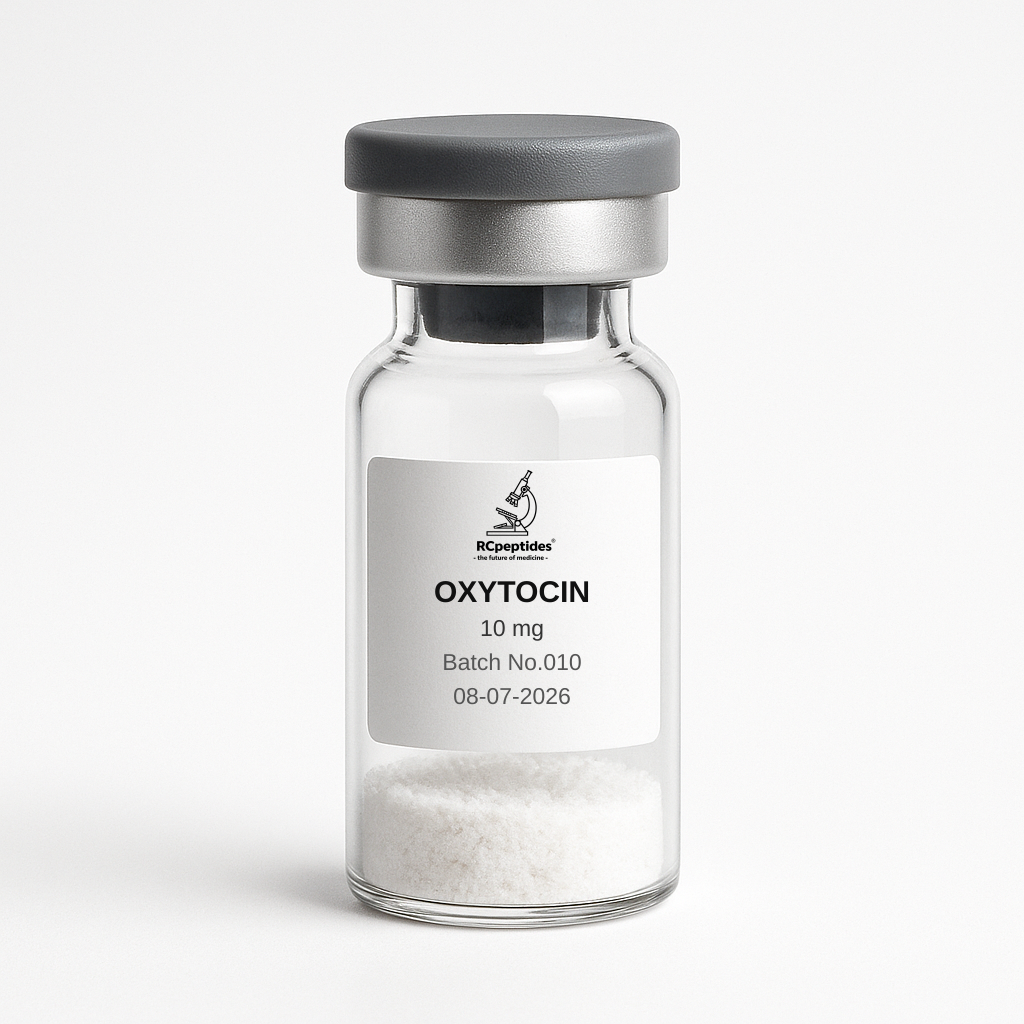
NOT FOR HUMAN CONSUMPTION
Oxytocin acetate is a synthetic form of the naturally occurring nonapeptide hormone oxytocin, which is produced in the hypothalamus and secreted by the posterior pituitary gland. It plays a pivotal role in various physiological processes, including uterine contractions during labor, milk ejection during lactation, and modulation of social and emotional behaviors. The acetate form is commonly used in pharmaceutical preparations due to its stability and solubility.
2. Mechanism of Action
Oxytocin exerts its effects by binding to the oxytocin receptor (OXTR), a G-protein-coupled receptor predominantly expressed in uterine smooth muscle and mammary glands. Upon activation, it stimulates the phospholipase C pathway, leading to an increase in intracellular calcium levels, which in turn induces muscle contractions. This mechanism underlies its primary roles in facilitating labor and milk ejection.
Beyond its peripheral actions, oxytocin also functions as a neuromodulator in the central nervous system, influencing behaviors related to social bonding, stress, and emotional regulation. It has been implicated in enhancing trust, empathy, and social recognition, making it a subject of interest in neuropsychiatric research.
3. Clinical Efficacy
| Research area | Findings and context |
|---|---|
| 3.1. Obstetric Applications | Oxytocin acetate is widely used in obstetrics for:
Clinical studies have demonstrated its efficacy in reducing labor duration and minimizing blood loss during the postpartum period. |
| 3.2. Psychiatric and Neurological Research | Emerging research has explored oxytocin's potential therapeutic applications in various neuropsychiatric conditions:
|
4. Safety and Tolerability
Oxytocin acetate is generally well-tolerated when used appropriately. Common side effects include:
-
Hypotension: Particularly with rapid intravenous infusion.
-
Nausea and vomiting: Occasionally observed during administration.
-
Uterine hyperstimulation: Excessive uterine contractions can lead to fetal distress.
Rare but serious adverse effects encompass water intoxication due to its antidiuretic properties, leading to hyponatremia and, in extreme cases, seizures or coma. Careful monitoring of fluid intake and electrolyte balance is essential during administration.
5. Pharmacokinetics
-
Absorption: Rapid onset of action when administered intravenously or intramuscularly.
-
Distribution: Widely distributed in extracellular fluid; does not cross the blood-brain barrier significantly.
-
Metabolism: Metabolized primarily by hepatic and plasma oxytocinases.
-
Elimination Half-Life: Approximately 1–6 minutes following intravenous administration.
6. Regulatory Status and Availability
Oxytocin acetate is approved for medical use in many countries and is listed on the World Health Organization's Model List of Essential Medicines. It is available in various formulations, including injectable solutions for intravenous or intramuscular use. Intranasal preparations are also utilized in research settings to investigate central nervous system effects.
7. Conclusion
Oxytocin acetate remains a cornerstone in obstetric practice for its proven efficacy in labor management and postpartum care. Its expanding role in neuropsychiatric research highlights its multifaceted nature, although more rigorous studies are required to substantiate its therapeutic potential in these domains. Clinicians should remain vigilant regarding its administration, ensuring appropriate dosing and monitoring to mitigate potential adverse effects.
References:
-
Oxytocin: Uses, Interactions, Mechanism of Action - DrugBank Online.
-
The effectiveness of oxytocin for treating substance use disorders: A systematic review.
-
Oxytocin treatment for postpartum depression.
-
Oxytocin: physiology, pharmacology, and clinical application for labor.
For in vitro laboratory research use only. Not for human or veterinary use. Not intended for diagnosis, treatment or prevention of disease.
Price: €70.00
Collection: Nootropics
Batch test results and COAs
Research use only. Not for human consumption.